


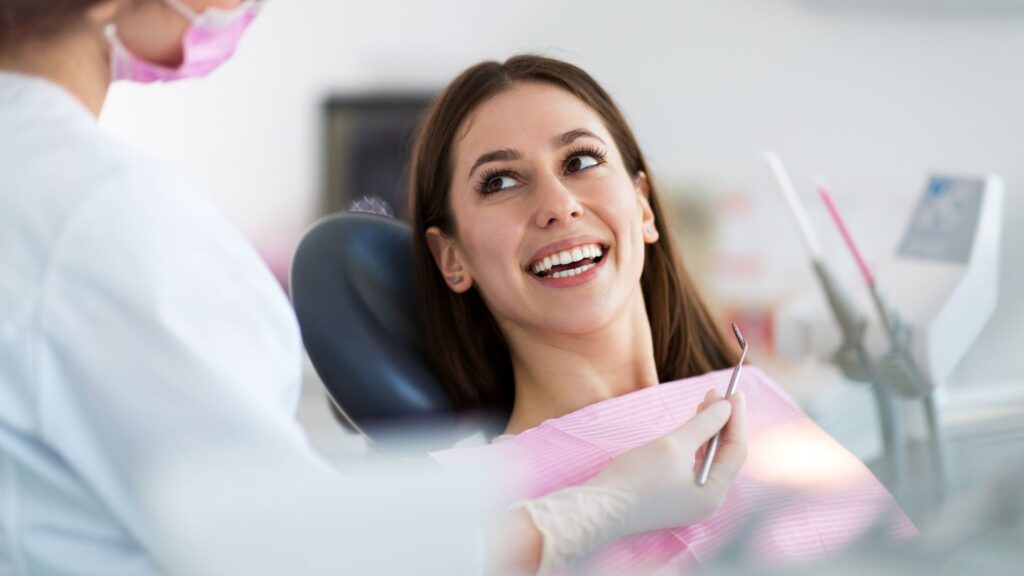
Maintaining good oral hygiene is important not only for preventing dental issues such as tooth decay and cavities but also maintaining overall health. A bright smile free from pain and inflammation can bring confidence, comfort and wellbeing. However, despite common belief, brushing your teeth twice a day is not sufficient for complete oral care. This is where interdental brushes play a key role by cleaning between your teeth and not just the surface.
Why Brushing Your Teeth Isn’t Enough?

Brushing alone isn’t enough, because toothbrushes can only clean the visible inner, outer and chewing surfaces of your teeth. It cannot effectively reach in between your teeth or along the gum line, where plaque and food particles can build up over time. This creates vulnerability to decay, cavities and gum infection and inflammation. Unremoved plaque can harden into tartar (calculus), which cannot be removed by brushing alone and requires professional cleaning. The accumulation of tartar between teeth is a major cause of gingivitis, and if left untreated, can progress into other forms of gum disease.
What Are Interdental Brushes?
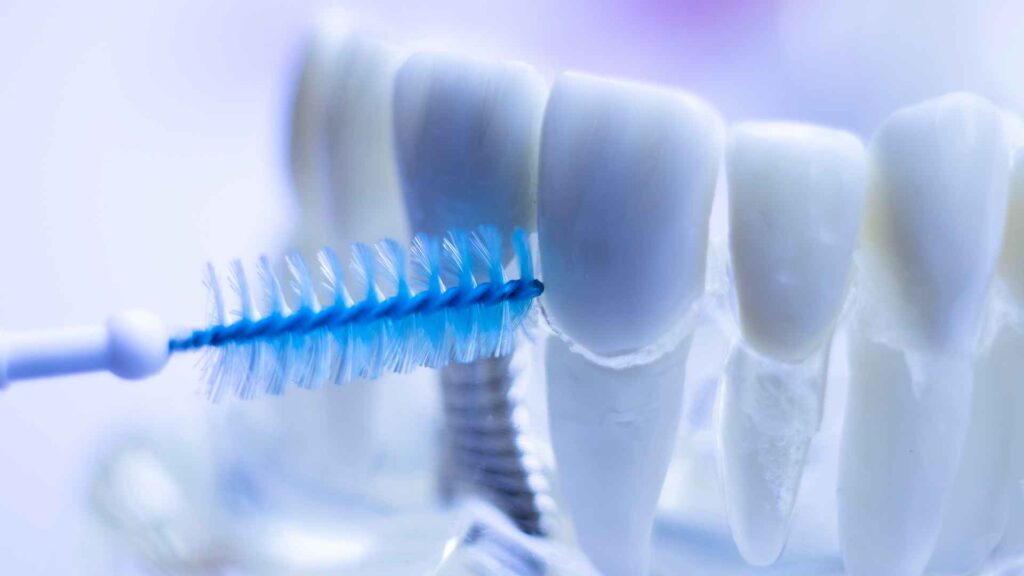
Interdental brushes are small, cylindrical or cone-shaped tools designed to clean in between your teeth – areas your toothbrush cannot reach. They are available in different sizes to suit openings between teeth. Unlike dental floss, which slides in between teeth to remove plaque and food debris, interdental brushes use gentle sweeping motions with their bristles. They are particularly useful for patients with braces or dental bridges.
How to Use Interdental Brushes Correctly?
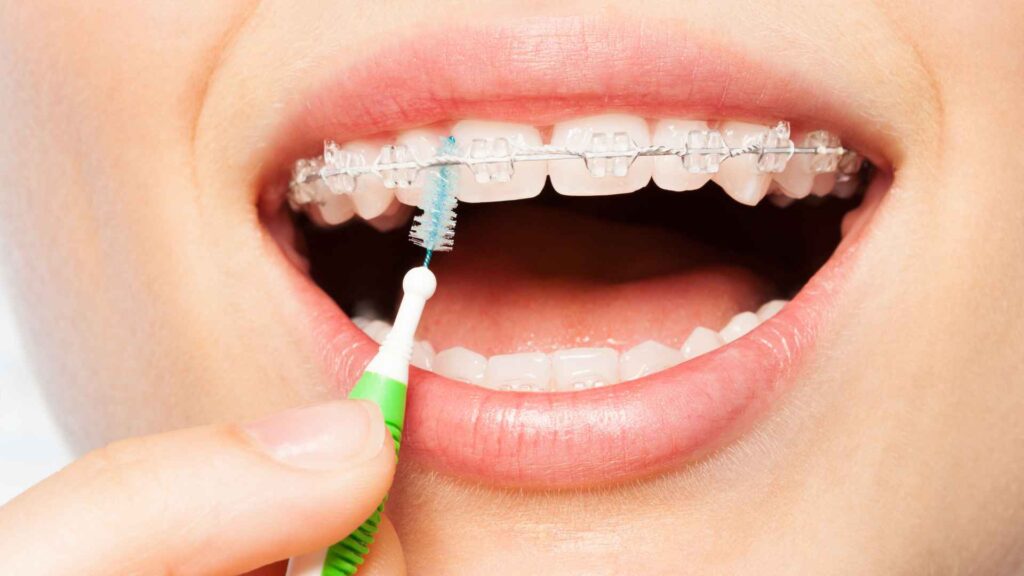
- Choose the correct size with the guidance of a dentist.
- Gently insert the brush in between your teeth, and move back and forth to clean.
- Focus on hard-to-reach areas such as the back molars.
- Use once daily before your usual dental care routine.
Avoid bending or forcing the brush, applying toothpaste to the brush, or using it once the bristles have frayed. An interdental brush needs to be replaced every one to two weeks.
Note: Slight bleeding may occur initially, but this usually subsides within a week.
How Regular Checkups and Professional Cleaning Can Help?
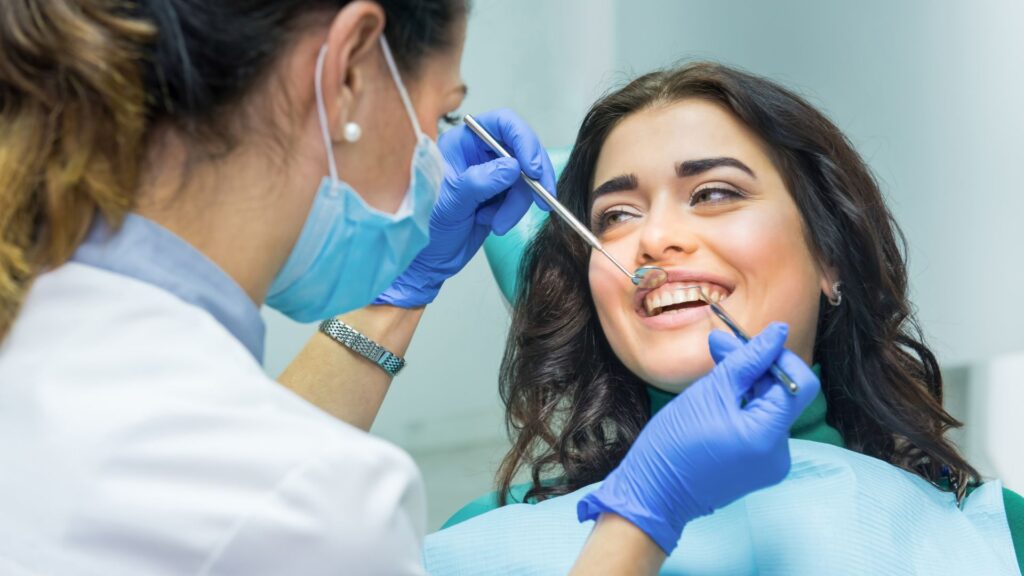
Professional dental checkups and cleaning are essential for maintaining long-term oral health. At Dental Square, we emphasise on preventative care through:
- Early Problem Detection: Identifying issues such as tooth decay, gum disease or even oral cancer early makes them easier and more cost-effective to treat.
- Preventative Care: Regular visits help prevent problems such as cavities, gum disease and halitosis, ensuring continued oral hygiene.
- Comprehensive Cleaning: We effectively remove hardened tartar and plaque deposits that are difficult to be removed at home.
- Personalised Guidance: Our expert dentists provide personalised advice and recommendations based on your oral and dental needs.
How Can You Improve Your Oral Care Routine?
- Use Fluoride Toothpaste: Fluoride toothpaste can help minimise tooth decay and remineralise the tooth enamel. It can also reverse early decay and make the enamel more resistant.
- Clean Your Tongue: Using a tongue scraper or toothbrush to clean the tongue removes bacteria that contributes to bad breath. This also helps prevent bacteria from spreading further into the body.
- Use a Gentle Mouthwash: Using a mouthwash can help to reduce bacteria, control plaque and maintain fresh breath.
Frequently Asked Questions (FAQs)
1. Is brushing twice a day enough for good oral hygiene?
Brushing twice a day is essential, but it is not enough to clean the entire mouth effectively. Areas between the teeth and along the gum line require additional cleaning with interdental brushes or floss.
2. What are interdental brushes used for?
Interdental brushes are designed to clean between teeth where regular toothbrushes cannot reach. They help remove plaque and food particles, reducing the risk of cavities and gum disease.
3. How often should I use an interdental brush?
It is recommended to use an interdental brush once daily as part of your oral care routine, preferably before brushing your teeth.
Brushing is essential for oral hygiene, however, it is not effective on its own to clean the entire mouth. Incorporating interdental brushes, fluoride use, and regular dental visits into your routine makes for good oral habits and promotes effective dental care. At Dental Square, we are committed to helping every patient achieve the best oral care through education and effective treatment.
Book a consultation today and take the first step to restoring your smile.